
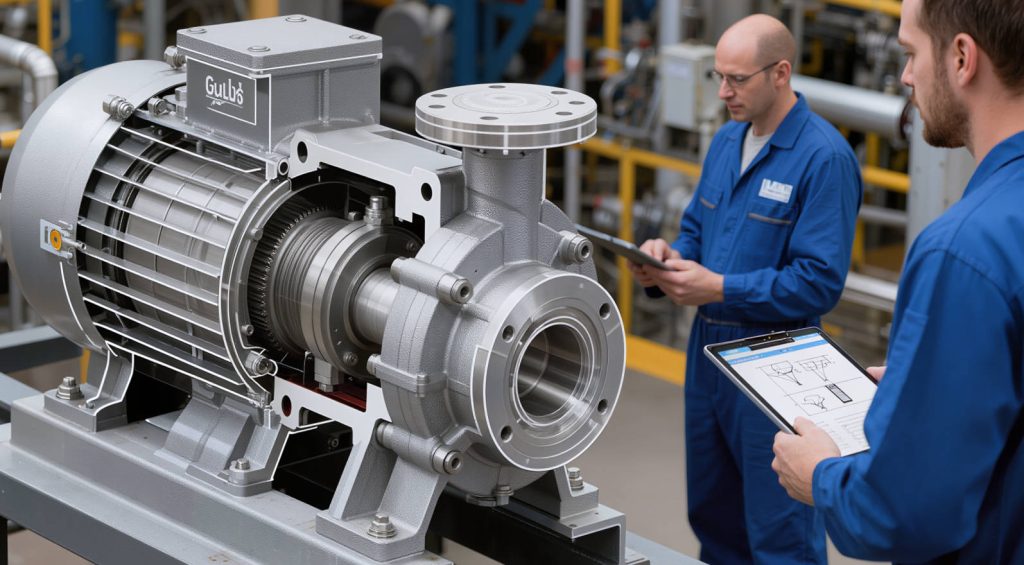
Why Our ANSI Pumps Are 100% Interchangeable with Goulds 3196 – From Seal Chamber to Baseplate
Over the past decade working directly with pump refurbishment shops, I’ve heard the same frustration countless times: a chemical plant needs their Goulds 3196 or DURCO MARK III back online fast, but the OEM replacement parts are either weeks away or priced so aggressively that the whole service job becomes a break‑even exercise. Occasionally the exact model has been phased out entirely. That reality pushed us to build a range of ANSI process pumps and wet‑end kits that slot straight into those footprints — without a single modification to existing piping, baseplates, or mechanical seal setups.
What “100% Interchangeable” Really Means in a Pump MRO Environment
In the world of industrial pump maintenance, interchangeability isn’t a marketing claim. It’s a dimensional promise. When a service crew pulls an old Goulds 3196 from the baseplate, the replacement pump or wet‑end assembly needs to mate with the same bolt holes, the same coupling alignment, the same seal chamber register, and the same suction and discharge flange positions. If any of those measurements shift by even a millimetre, the installation stops being a straightforward pump swap and becomes an on‑site piping project — eating into your margin and eroding your customer’s confidence.
Our ANSI process pumps (including models that mirror the Goulds 3196 and DURCO MARK III, like the DURCO MARK III 2 series) are engineered specifically for that no‑drama swap. Every critical dimension — from the seal chamber pilot bore and shaft diameter to the volute casing foot height and baseplate bolt layout — matches the OEM drawing. We maintain a comprehensive digital library of original prints and verify each casting using a coordinate measuring machine (CMM) before it ever leaves the factory floor.
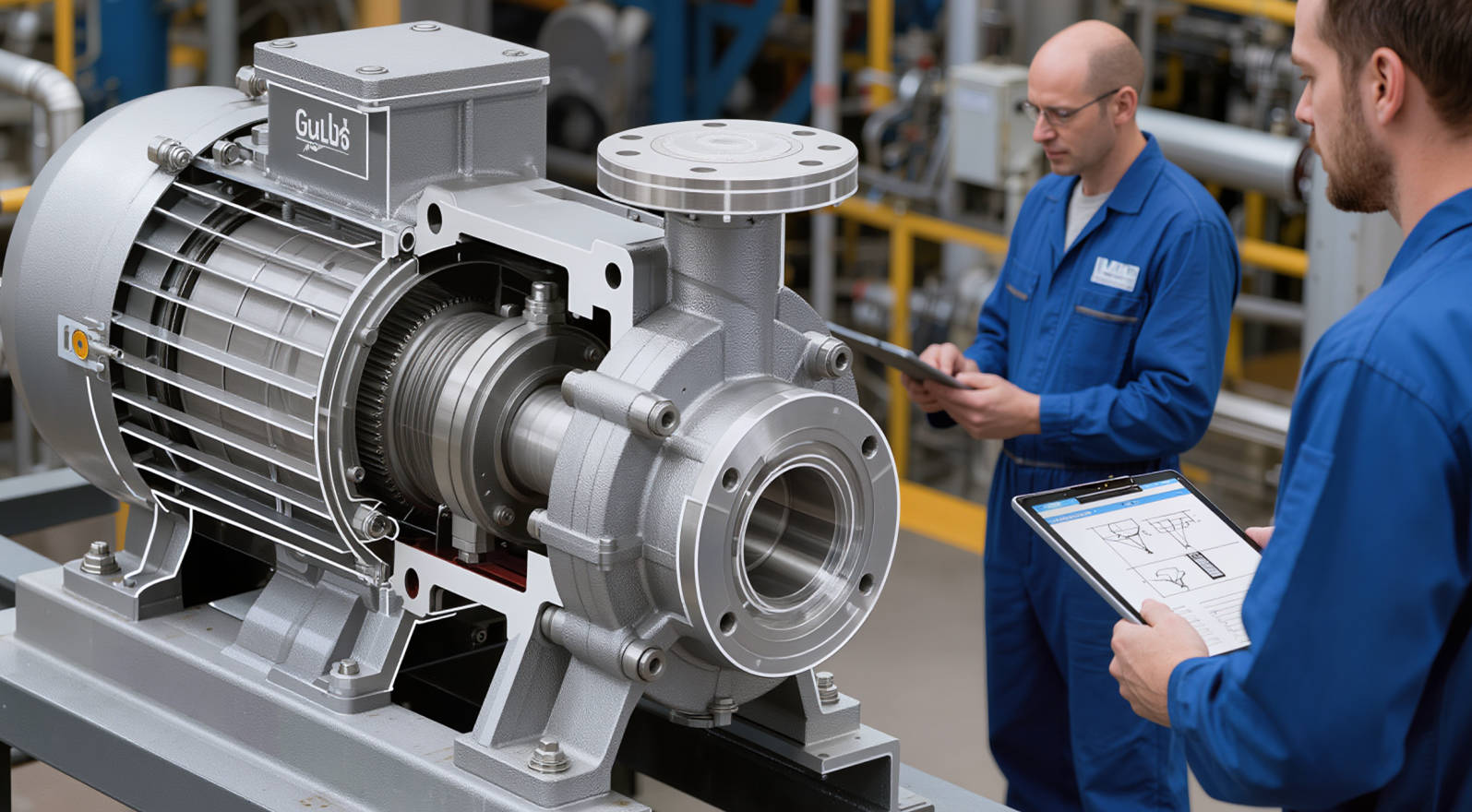
Seal Chamber Interchangeability: The Heart of a Reliable Swap
The area around the mechanical seal is where reality bites. The seal chamber’s internal bore, axial positioning of the seal gland, shaft sleeve run‑out, and stuffing box depth must be identical to the original Goulds design if you want to reuse the existing mechanical seal or install a standard replacement without re‑engineering the seal piping plan. Our entire wet end — impeller, casing, cover, shaft, seal chamber — duplicates the Goulds 3196 geometry. Maintenance providers can pull the old pump, drop in our assembly, and retain the plant’s preferred seal and piping without any adaptation. That not only saves hours of labour but also keeps the owner’s seal standardisation programme intact.
Baseplate Compatibility: Because Nobody Wants to Grout Again
One overlooked detail that can derail a quick overhaul is the baseplate. The Goulds 3196 family uses a specific bolt‑down pattern and frame‑to‑pedestal alignment. Our process pumps replicate that pattern exactly. You don’t need to drill new holes, slot existing ones, or re‑shim the motor. For a pump service provider, this means the difference between a same‑day commissioning and a three‑day headache involving millwrights and extra grouting work.
Wet‑End Materials That Match — or Exceed — the Original Specification
Chemical processing environments don’t tolerate guesswork around metallurgy. That’s why we stock and machine wet‑end components across the full spectrum required by ANSI B73.1 applications: Titanium, Nickel, Hastelloy C, Alloy 20, CD4MCuN (often called CD4M), 316 stainless steel, ductile iron, and carbon steel. Whether the original pump came with a duplex stainless impeller in a nitric acid service or a high‑silicon iron casing for sulphuric acid, we can match the chemistry and provide material test certificates with the shipment. And because we handle the entire manufacturing chain under one roof — from foundry to final hydraulic test — we’re not beholden to third‑party sub‑suppliers who add weeks to a delivery date.
Why Refurbishment Shops Choose Our Approach Over OEM Sources
Time and cost are the obvious drivers. Our typical production lead‑time on a complete ANSI pump or full wet‑end kit is 30–50% shorter than what most OEMs quote right now. The cost saving usually lands between 20% and 40% when you compare like‑for‑like specification. But beyond the numbers, the real advantage for a maintenance provider is consistency: the pump you receive today will be dimensionally identical to the one you order next year, because we rigidly control the tooling and keep full traceability on every mould and pattern. That predictability helps you quote confidently, schedule your workshop efficiently, and build a reputation for rapid turnaround with your chemical plant customers.
The Bottom Line for Your Business
If you’re an industrial pump maintenance and refurbishment service company, you already know that the quickest path to profit on an overhaul is a true drop‑in solution. Our ANSI process pump line — directly interchangeable with Goulds 3196 and DURCO MARK III — removes the variables that cause delays, extra charges, and awkward conversations with plant engineers. Next time you have a Goulds 3196 or a Flowserve‑branded DURCO MARK III sitting in your shop with a corroded wet end, you don’t have to wait on an OEM back‑order or hunt down discontinued parts. You can simply contact us with the pump’s model code and the material grade you need, and we’ll provide a dimension‑verified, hydraulically matched replacement that bolts straight in.
Ready to discuss a specific pump or get a quotation?
📞 +86-186-5910-6155 — Miya Zhang, Senior Technical Supplier Expert
✉️ miya_zhang@ansipumpspro.com
Or visit us at www.ansipumpspro.com
Miya Zhang
Senior Technical Supplier Expert | 10+ years in chemical pump design, manufacturing, and field service