
What Is Included in a Pump Wet End?
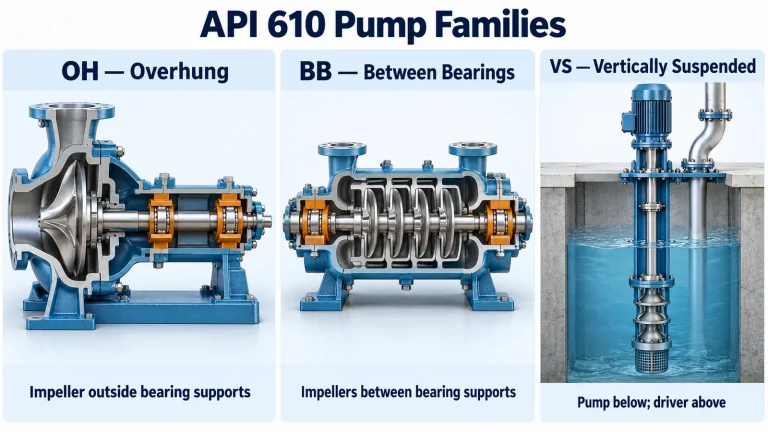
The wet end generally refers to the process-contacting hydraulic components of the pump. The exact replacement scope should be defined for the installed configuration—for example casing, impeller and associated cover or interface components—rather than assuming that every project requires the same package.
List each component and its interface in the RFQ. A casing, impeller, cover, wear ring, shaft sleeve or seal-area component can have separate dimensional, hydraulic, material and inspection requirements.
Why Wet-End Parts Must Be Reviewed as a Matched Configuration
Wet-end components interact through dimensional, hydraulic and sealing interfaces. When multiple parts are being replaced together, verify that the casing, impeller and mating components belong to the same installed configuration and material requirement.
Separate complete-pump installation compatibility from internal spare-parts interchangeability. Confirm the pump platform, model, size, frame or group, part references, trim, shaft arrangement, seal chamber and duty point before release. If the part number is uncertain, use an OEM part-number cross-reference.
Selecting Alloy Materials
Select the requested material from the actual process service and the existing component specification. If the objective is to address corrosion or erosion, review the fluid, concentration, temperature, solids and observed failure mode before changing alloy.
Distinguish material designations from casting grades. Alloy 20 is commonly associated with UNS N08020, while CN7M is an applicable cast-alloy designation; Hastelloy C-276 is associated with UNS N10276, while CW2M is an applicable cast-alloy designation. The exact specification, heat treatment, traceability and casting standard should be confirmed for the component being quoted.
No alloy should be presented as universally best for every acid, chloride, temperature or solids condition. Material selection is application-specific and should be recorded with the process data and required documentation.
What Actually Affects Lead Time?
| Factor | Why it changes delivery |
|---|---|
| Material | Some alloys require different casting and procurement routes |
| Pump size | Larger components can require different patterns and machining |
| Casting status | Existing casting availability differs by configuration |
| Machining scope | Finished geometry and inspection take project-specific time |
| Quantity | Batch size affects production planning |
| Inspection and documentation | PMI, MTR or special inspection adds scope |
| Current inventory | Availability must be confirmed at quotation |
Delivery depends on the required material, pump size, casting status, machining scope, inspection requirements, quantity and current inventory. Confirm availability and the required date during quotation.
Inspection and Documentation
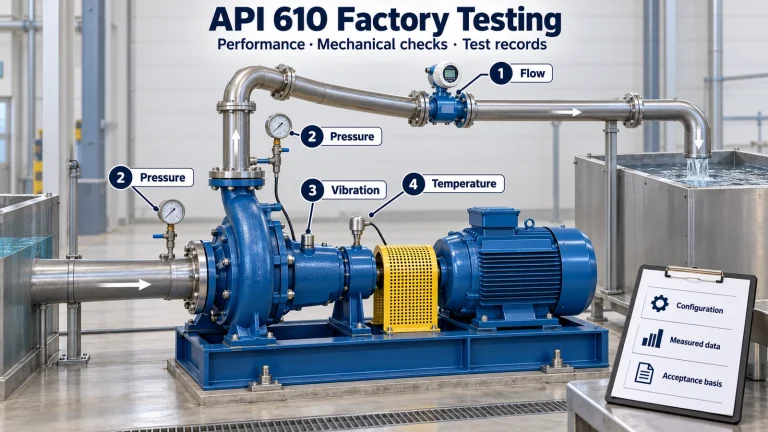
State the acceptance scope in the RFQ. Depending on the project, this may include dimensional inspection, material traceability, MTR, PMI, hydrostatic testing, balance or other inspection records. Only list the documents and tests that are required and available for the actual component.
Keep the casing, impeller and associated component records together so the delivered wet end can be traced to the approved configuration.
What to Send for a Wet-End Quote
- Pump platform and model
- Exact size and frame or group
- Current part numbers
- Required wet-end scope
- Existing material and requested material
- Process fluid and temperature
- Quantity
- Photographs of the installed and removed parts
- Available drawings and parts lists
- Inspection and document requirements
- Required delivery date
For platform-specific starting points, see Goulds 3196 replacement parts, the Durco Mark III replacement resource and aftermarket solutions.
Request a Technical Wet-End Review
Send the installed pump data, part references, material record, process conditions, photographs and required documents. A configuration-specific review can identify missing fitment or material evidence before quotation.
Request a wet-end fit and material review
Frequently Asked Questions
What components are normally included in a wet end?
The wet end generally includes process-contacting hydraulic components, but the exact scope depends on the installed configuration. Define each required casing, impeller, cover, ring, sleeve or interface component in the RFQ.
Can an alloy be selected from the pump model alone?
No. Review the fluid, concentration, temperature, contaminants, solids, failure mode and existing specification before changing material.
Why are casting grades important?
Wrought material names and casting designations are not automatically interchangeable. Confirm the applicable casting specification, heat treatment, traceability and documentation for the actual component.
What determines wet-end delivery?
Material, pump size, casting status, machining scope, quantity, inspection requirements and current inventory all affect delivery. Confirm the actual date during quotation.