
ANSI B73.1 Aftermarket Components
Goulds 3196 Replacement Parts
Engineered for direct interchange with existing Goulds 3196 pump assemblies. Verify fitment by frame, pump size, OEM reference, and process material before production.
Start with the nameplate
Find parts by Goulds frame
Select your frame family, then send the complete pump model, size, serial number, material, and OEM part reference. Our engineering team will verify the interface before quotation.
Selecting a frame prepares the request. You will still confirm pump size, OEM reference, material, and quantity before quotation.
Continue to parts request →Component finder
Replacement parts by assembly
Use the technical guides for common components, or send a drawing, nameplate photo, and OEM reference when the exact configuration is uncertain.
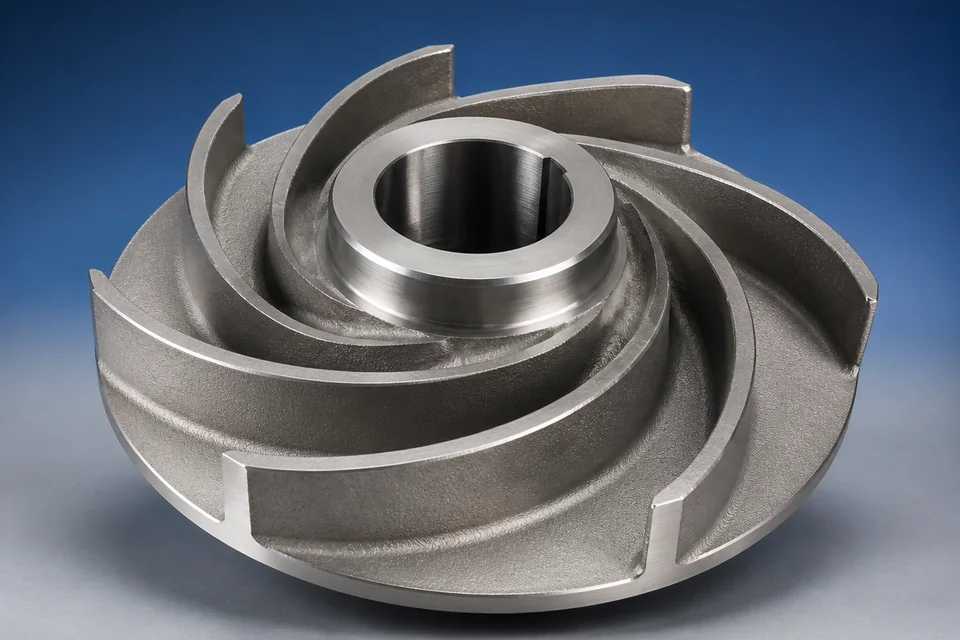
Impellers
Open impellers engineered by frame, diameter, vane geometry, and process material.
View impeller guide →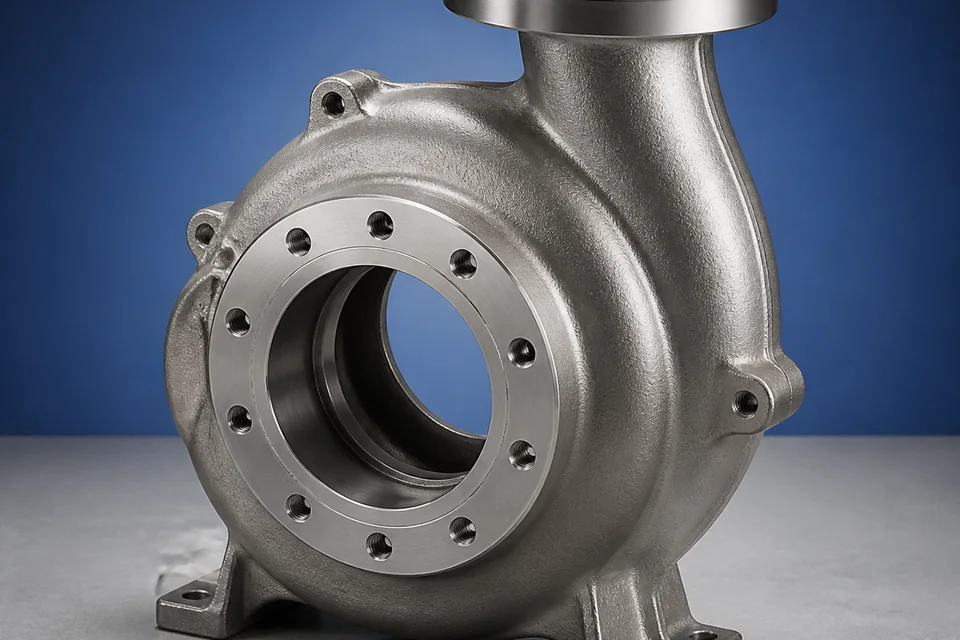
Casings & Covers
Wet-end components matched to pump size, flange interface, pressure class, and alloy.
Request fitment support →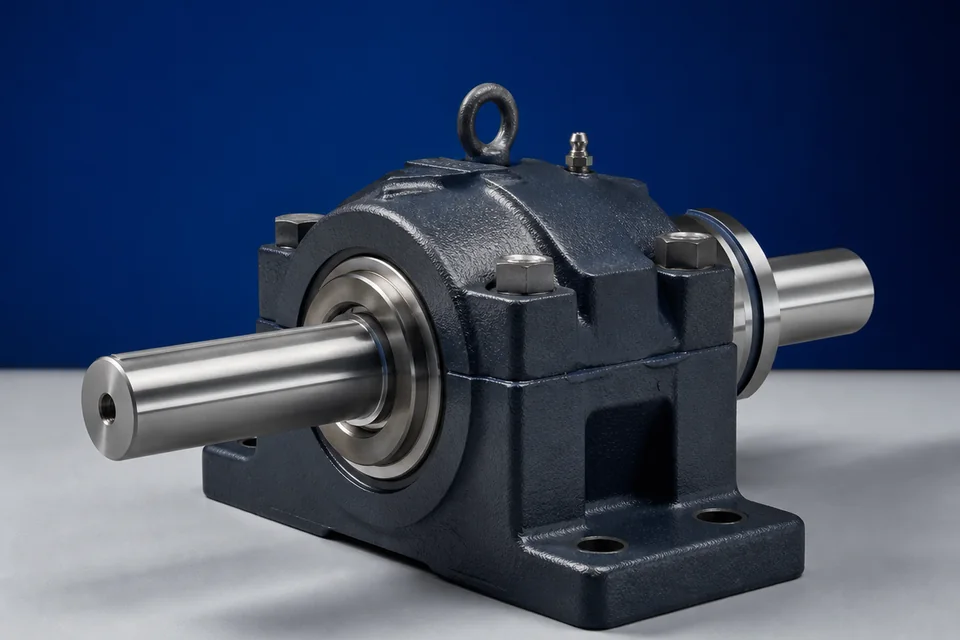
Shafts
Replacement shafts reviewed against frame, serial, OEM reference, and critical interfaces.
Send shaft details →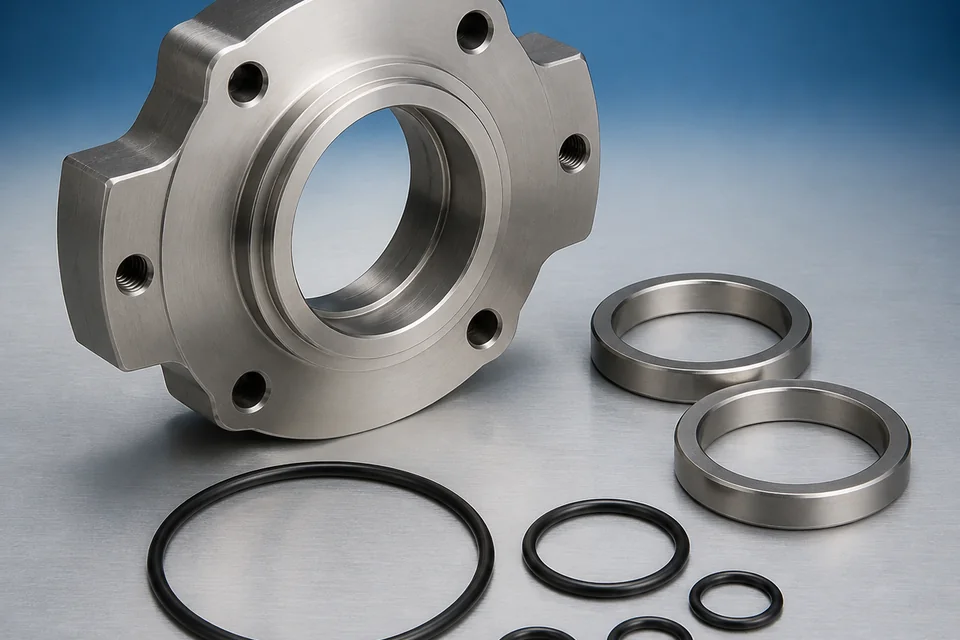
Selected Metallic Seal Components
Drawing-based metallic seal components reviewed for the installed pump configuration.
Request drawing review →Documented interchange
Fit, metallurgy, and traceability: not part number alone
Replacement selection is verified against the complete pump configuration. Dimensional interfaces, hydraulic geometry, shaft fit, sealing arrangement, and material grade must all agree with the installed assembly.
Engineering library
Goulds 3196 technical guides
Use these references to prepare a parts request. Final interchangeability is confirmed against the installed pump and supplied technical data.
 Fitment & Frame Size
Goulds 3196 Frame Size & Power-End Compatibility Guide
A practical framework for confirming Goulds 3196 frame coverage, interfaces, materials, and documentation.
Read technical guide Impeller Engineering
Goulds 3196 Impeller Replacement Guide: Item 101 Fitment
Compare frame ranges, hydraulic interchange requirements, and corrosion-resistant impeller materials.
Read technical guide Shaft Protection
Goulds 3196 Shaft Sleeve Replacement & Part Number Guide
Review sleeve materials, hardfacing choices, installation checks, and common replacement triggers.
Read technical guide Bearing Protection
Goulds 3196 i-FRAME Bearing Isolator Replacement Guide
Understand INPRO VBXX labyrinth seals, frame references, replacement timing, and installation notes.
Read technical guideBefore you order
Fitment questions
A nameplate photo and OEM reference are the fastest starting point. Engineering review is included before production.
Are these parts interchangeable with an existing Goulds 3196 pump?
They are engineered to match the applicable Goulds 3196 interfaces, but interchangeability must be verified for the specific pump size, frame, configuration, and material. We confirm fitment from the nameplate, OEM reference, drawing, or sample.
What information is needed for a parts quotation?
Send the pump model and size, frame, serial number when available, OEM part number, required material, quantity, and clear photographs. A dimensional drawing or sample is helpful when identification is uncertain.
Can you supply corrosion-resistant alloy parts?
Yes. Available options include CF8M, CD4MCuN, CN7M, Hastelloy C-276, Nickel 200, Titanium Grade 2, and Zirconium 702, subject to component geometry and service conditions.
Are material certificates available?
EN 10204 3.1 material test reports can be supplied for traceable alloy components. Confirm documentation and inspection requirements when requesting the quotation.
Goulds 3196 / Parts request
Request a
parts review.
Share an OEM number, pump model or a short parts list. Include material and quantity if known.
Frame identification note
Name and business email are required.