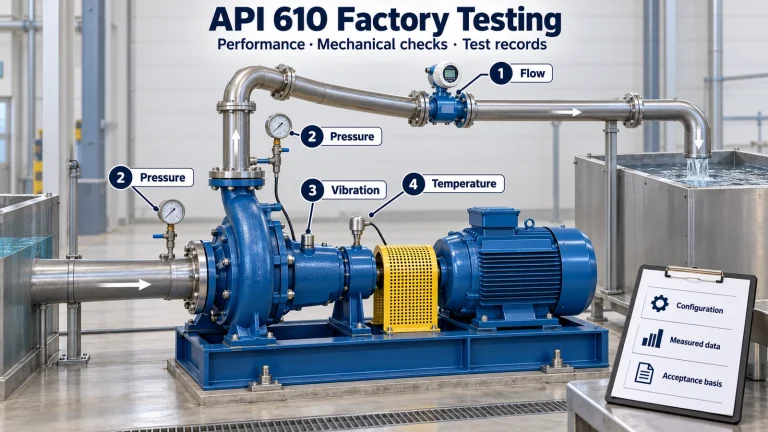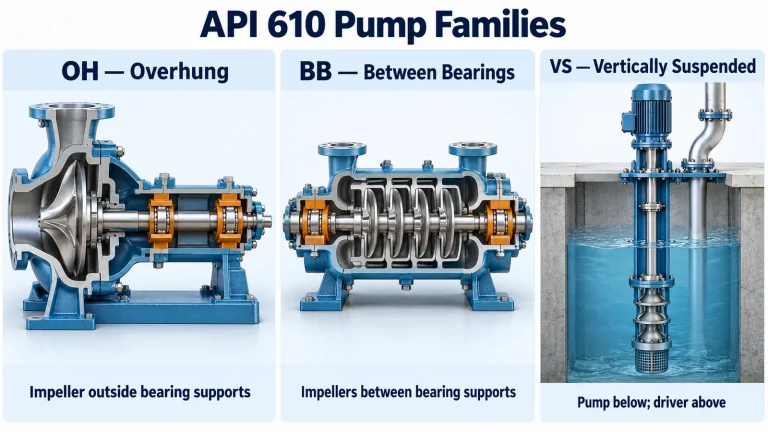

Pump system optimization is a measured engineering decision, not a preset instruction to fit a variable frequency drive or buy a new pump. Use a defensible baseline to identify avoidable losses, compare feasible interventions, evaluate lifecycle costs and verify the final duty and reliability of the installed system.
Start With a Comparable Measured Baseline
Before selecting a modification, define the boundary, the required process duty and the measurement quality. A nameplate motor rating, one current reading or an unverified annual runtime cannot establish an energy-saving opportunity. For systems with varying demand, record representative low, normal and peak operating states rather than relying on a single observation.
| Parameter | Record | Engineering check |
|---|---|---|
| Flow and pressure | Actual flow; suction/discharge pressure; tap locations and elevation | Calculate total head using a consistent pressure and elevation basis. |
| Electrical power and speed | Measured real electrical input (kW); actual shaft speed or verified drive frequency | Current alone does not establish electrical input power; document the meter and motor/drive boundary. |
| Control state | Throttling position, bypass/recycle, setpoints and production demand | Identify what the process truly requires and which controls are protective. |
| Fluid and suction | Liquid composition, density, viscosity, temperature, vessel level/pressure | Review suction restrictions, vapor pressure and available NPSH. |
| Equipment evidence | Installed pump curve, actual impeller, material, maintenance and vibration records | Distinguish equipment condition from a system-sizing or control problem. |
Log time, instrument accuracy, the source of each input and any missing data. Use our energy measurement guide for instrumentation details rather than estimating kW from motor amperage alone.
Diagnose the Loss Before Selecting a Solution
The same symptom may have multiple causes. An almost closed control valve is a useful lead, but valve position by itself cannot prove that impeller trimming or a VFD will improve the complete system.
| Observed concern | Evidence to confirm | Potential next step |
|---|---|---|
| Throttling loss | Actual flow, head, pressure loss across valve, required process range | Control review, hydraulic re-rate, impeller study or speed-control study. |
| Continuous bypass | Recycle flow, operating hours, minimum-flow and process protection basis | Review logic while preserving necessary minimum-flow protection. |
| Suction restriction | Liquid level/temperature, suction pressure and losses, strainer state | Check NPSH margin and hydraulic correction before modifying the pump. |
| Oversized installed pump | Measured duty against certified curve, applicable POR/AOR and demand range | Compare trim, re-rate, revised control or complete-pump alternative. |
| Wear or fouling | Trend, internal inspection, clearances, fluid chemistry | Clean, repair or review compatible supported metallic components. |
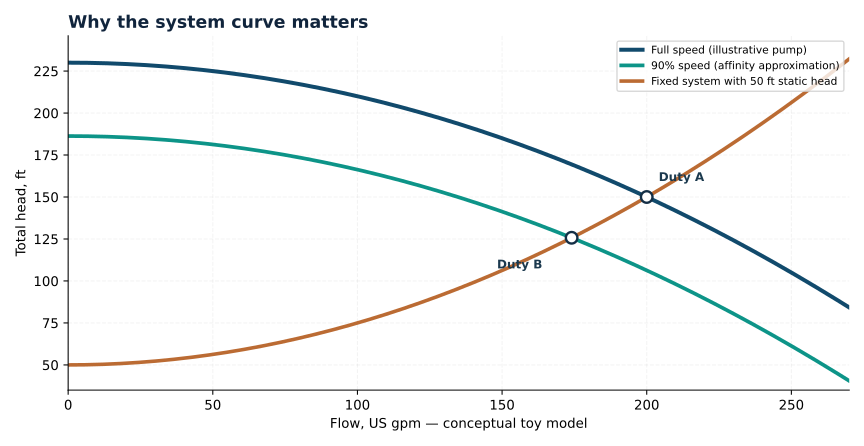
| Variable demand | Time-weighted demand profile, control method and static head | Consider sequencing or VFD feasibility with actual system curve. |
| Recurring failures | Failure chronology, piping loads, alignment, vibration and duty | Root-cause analysis; do not presume a bearing or seal purchase solves it. |
Compare Technically Feasible Interventions
Start with the smallest change that resolves the verified problem, but do not treat the following as a mandatory purchase order. A damaged pump, unsafe suction installation or changed process may justify a different starting point.
- Operation and controls. Correct unnecessary runtime, poor sequencing or avoidable recycle without removing required safety functions.
- Equipment condition. Restore alignment, lubrication, clearances or fouling when inspection and trends support a repair.
- System hydraulics. Check suction configuration, excess resistance and piping changes against pressure and process requirements.
- Impeller adjustment or hydraulic re-rate. Require the pump-specific trim or re-rate curve, NPSH, power and operating region before sizing or ordering.
- Variable-frequency operation. Confirm the actual system curve, minimum flow, motor cooling, seal support, resonance and the approved speed envelope. See our VFD application and commissioning guide.
- Replacement or supported component review. If evidence supports replacement, check dimensions, hydraulic duty, materials, seal chamber and interface fitment separately before requesting a quote.
Worked Example: A Transparent Energy-Cost Screening
This example demonstrates calculations; it is not a reported customer project, certified curve, selected impeller diameter or drive specification. The option power inputs are separate hypothetical estimates awaiting a pump and system curve feasibility review.
Assume liquid density of 1,200 kg/m³, constant required flow and equal qualifying annual runtime. With Q = 0.0220816 m³/s and target head H = 44.196 m, hydraulic power is:
Phydraulic (kW) = ρ (kg/m³) × 9.80665 × Q (m³/s) × H (m) ÷ 1000
The example hydraulic power is approximately 15.84 kW at 200 ft and 11.48 kW at 145 ft. Hydraulic power is not motor electrical input. Actual grid input depends on the real pump, motor and, if applicable, drive efficiencies at each duty point.
| Metric | Existing | Possible trim scenario | Possible VFD scenario |
|---|---|---|---|
| Grid input | 26.0 kW | 16.5 kW* | 17.2 kW* |
| Annual use | 208,000 kWh | 132,000 kWh | 137,600 kWh |
| Annual cost | $18,720 | $11,880 | $12,384 |
| Illustrative difference | – | $6,840/year | $6,336/year |
*Option inputs are hypothetical electrical grid values (the VFD case already includes assumed drive losses). No final speed, diameter, VFD rating, operating envelope, procurement recommendation or achieved saving can be derived from this table.
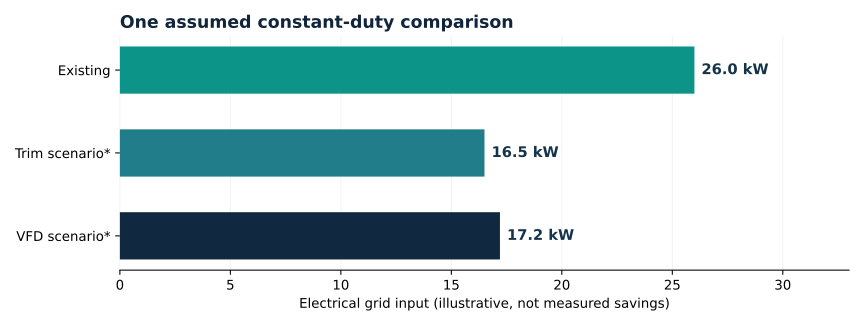
Economic comparison: Annual electrical savings = (existing kW − estimated option kW) × qualifying hours × electricity tariff. Simple payback = approved installed project cost ÷ annual net savings, after accounting for relevant additional costs. Without real installed quotes, do not publish a project payback claim.
As a transparent arithmetic sensitivity, this example’s maximum installed cost for a two-year simple electrical-only payback would be $13,680 for the assumed trim option and $12,672 for the assumed VFD option. These are not supplier quotes or decision thresholds. Actual projects also depend on outages, maintenance, tariff structure, variable operation and future duty.
Protect Reliability and Operating Limits
Lower power is not a successful outcome if the pump no longer meets the required process duty or if the modification increases cavitation, unstable flow, temperature or vibration risk. Check the specific pump’s preferred and allowable operating regions (POR/AOR), relevant suction margin, minimum-flow protection and mechanical restrictions at all intended states. No universal BEP-percentage interval is suitable for every pump.
| Reference | Applicable question |
|---|---|
| ISO/ASME 14414:2019 | How to structure a pump-system energy assessment and report. Mentioning the standard does not prove this page or a project complies with it. |
| ANSI/HI 9.6.1-2024 | Applicable NPSH-margin engineering considerations; use pump-specific NPSHr and system NPSHa. |
| ANSI/HI 9.6.3-2024 | Pump preferred and allowable operating regions, reviewed with the manufacturer and project data. |
| ASME B73.1 / project specification | Relevant product/interface requirements where the installed pump is an applicable horizontal end-suction chemical-process design, not an energy-assessment method. |
For VFD changes, verify approved motor thermal behavior and grounding/electrical provisions; review seal-support differential and critical vibration response as applicable. Repeated mechanical failure requires a root-cause investigation: it may originate with hydraulics, piping strain, operating practice, materials or seal support, not necessarily with a replaceable part.
Verify the Actual Duty, Energy Use and Reliability
Agree on what constitutes success before the modification. Retest stable process states with the same measurement boundary and record equipment configuration, instruments and uncertainties. Normalize comparisons for changes in production, liquid, speed schedule or duty when appropriate; two unlike spot readings do not establish a verified annual saving.
| Check | Required result |
|---|---|
| Flow and process | Confirmed minimum, normal and maximum requirements as applicable. |
| Head and controls | Measured operation consistent with approved pump/system curve, valve and bypass strategy. |
| Input power | Same meter boundary and comparable process state, with measurement uncertainty documented. |
| Hydraulic/mechanical health | NPSH review, vibration and temperature within project/manufacturer limits. |
| Maintenance history | Trend for an agreed observation period instead of predicting an immediate seal-life improvement. |
Use an Engineering Assessment Worksheet
A useful worksheet connects inputs, assumptions, proposed changes and final measurements. It should not turn incomplete inputs into a fabricated pump curve or an automatic trim diameter. Record uncertainty and the evidence still required before procurement.
Assessment & Energy Comparison Worksheet
Capture synchronized baseline readings, screen hypothetical electrical-cost scenarios and plan before/after verification. The spreadsheet does not certify savings or select a pump.
CONDITIONAL PUBLISHING: after workbook QA and approved hosting, replace existing verified-tools CTA with a real download-link under the site’s current approved workflow. Never pretend a draft workbook is already live.
For a more detailed energy study or multiple operating states, the US Department of Energy’s MEASUR tools provide a separate pump-system assessment workflow; a short illustrative table on this page is not a substitute for that work.
When the Assessment Leads to a Replacement Review
If measured duty and equipment condition justify new hydraulic hardware, send the installed pump model, actual flow/head, fluid, temperature, original curve, material requirements and relevant interface dimensions. Our engineering team can discuss Goulds 3196 replacement and Durco Mark III replacement options where applicable, with compatibility confirmed from drawings and project requirements rather than brand names alone.
Pump System Optimization FAQ
Is a VFD always the most efficient modification?
No. Suitability depends on the actual pump and system curves, static head, demand profile, minimum flow and approved operating envelope. Compare feasible alternatives at the same required duty.
Can a throttled valve alone justify trimming an impeller?
No. Confirm required flow, head, operating range and the reason for throttling first. Manufacturer trim curves and the system’s future duty are essential.
How are electrical savings calculated?
Use comparable measured or technically justified grid-input kW, representative annual duty hours and the relevant electricity tariff. Explain assumptions, uncertainties and changes in process output.
Does operating closer to BEP guarantee longer seal life?
No. Pump-specific operating regions, suction conditions, materials, alignment, seal support and other installation factors also affect reliability; verify the actual root cause.
When should a replacement pump be considered?
When measured duty or a substantiated reliability/material issue cannot be addressed appropriately with safe operating, maintenance, control or hydraulic adjustments. Verify dimensions, materials and performance before procurement.
Technical references: Hydraulic Institute Pump System Optimization Guide · ISO/ASME 14414 · US DOE MEASUR. Specific equipment changes require manufacturer data, approved project procedures and qualified engineering review.