
What Usually Causes Durco Mark III Bearing Failures?
A failed bearing identifies the damaged component; it does not, by itself, identify why the damage began. Before replacing a bearing, review lubrication and contamination, alignment and pipe strain, operating conditions, assembly evidence, and the condition of the shaft and bearing housing.
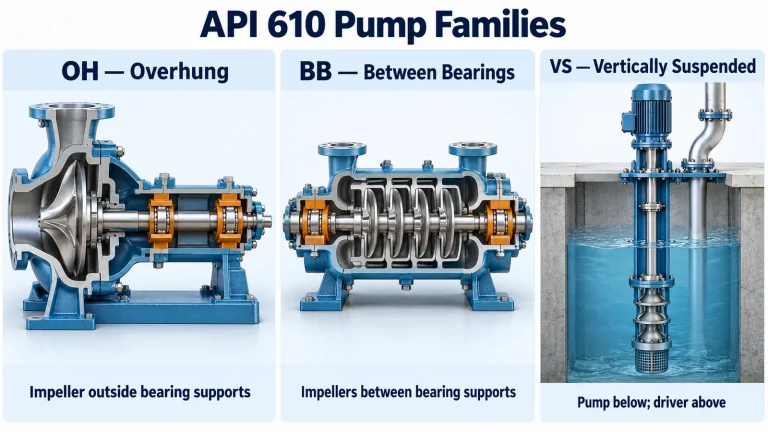
Mark III pumps are available in different groups and bearing arrangements. Use the nameplate, installed configuration and applicable Flowserve user instructions when checking parts, clearances or acceptance limits.
Start with evidence, then choose the repair
Record the operating history and preserve the as-found condition before teardown. A bearing-only replacement can leave the original system or power-end problem in place.
| Possible cause | Evidence to look for | Next check |
|---|---|---|
| Lubrication problem or contamination | Oil level or condition changed; water, particles, foam, sludge or abnormal deposits; damaged seals or breathers. | Confirm lubrication type and level against the exact configuration. Trace possible ingress paths and preserve an oil sample when useful. |
| Alignment, soft foot or pipe strain | Change after piping, baseplate, coupling or power-end work; fretting, rub marks, unstable vibration or alignment shift. | Review pump and driver alignment, base and hold-down condition, piping fit-up and thermal movement. |
| Changed hydraulic duty | Flow, head, speed, liquid properties, suction condition or control-valve position changed before the failure. | Compare actual duty with the applicable curve and operating limits. Consider recirculation, cavitation or excessive hydraulic loading. |
| Fit, assembly or handling damage | Raceway indentation, scoring, overheating, fretting, loose fits or damage appearing soon after overhaul. | Inspect shaft journals, bearing seats, housing bores, registers, bearing orientation and assembly records against the applicable IOM and drawing. |
| Power-end or rotating-part damage | Recurring failure, shaft movement, rotor rub, damaged housing or repeat alignment changes. | Review the complete rotating assembly and power end rather than treating the bearing as an isolated part. |
What to Record When a Bearing Problem Appears
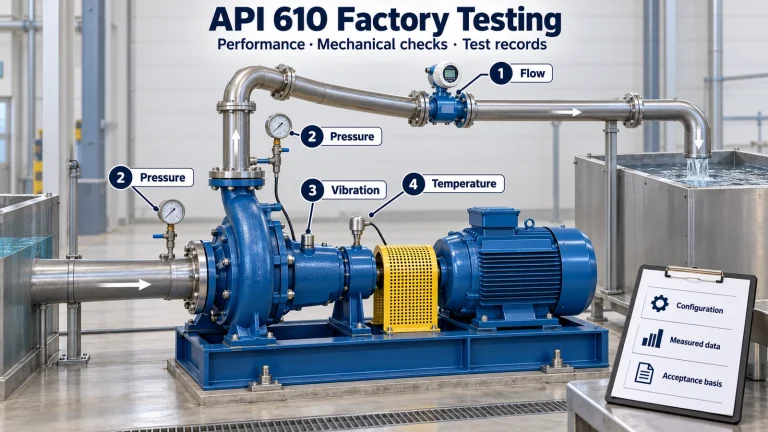
Capture measurements under a known operating condition and compare them with the asset’s established baseline. A single reading can identify a change, but it rarely proves a root cause on its own.
Do not use a universal alarm number
Vibration and temperature limits depend on the equipment configuration, measurement method, operating state, site criteria and OEM instructions. Trend against a valid baseline and applicable limits.
Check Lubrication and Contamination First
Incorrect lubricant, unsuitable level, degraded oil or contamination can reduce the bearing’s protective film and promote wear. Overfilling can increase churning and heat; too little lubricant can leave rolling contacts inadequately lubricated. Water, process vapour, dust and particles may enter through a damaged isolator, seal, breather, housing joint or maintenance practice.
Confirm whether the installed power end uses oil bath, oil mist, grease or another specified arrangement. Follow the exact Flowserve instructions for the pump group and configuration; oil grade, fill quantity and service interval should not be inferred from a different Mark 3 variant.
Inspect the sight glass, breather, labyrinth or bearing isolators, seals, plugs and housing joints where fitted. Record discoloration, foaming, water staining, sludge and metal particles. Oil analysis can support a diagnosis on critical equipment when the sample and interpretation follow a suitable site program.
Review Alignment, Pipe Strain and Mechanical Loading
Check the pump and driver after work on the baseplate, piping, coupling or power end. Review soft foot, hold-down condition, base distortion, coupling condition and thermal movement. Piping that forces the casing out of position can change mechanical loading even when the coupling appears aligned at rest.
During overhaul, inspect fit marks and fretting at the shaft and housing interfaces. Measure runout, endplay and bearing fits using the correct measurement locations and limits for the installed Group and revision. Do not apply a catalogue fit or a number from another pump size as a universal acceptance criterion.
Consider Hydraulic Loading and the Actual Operating Point
Operation outside the intended range can contribute to unstable hydraulic forces, recirculation or cavitation. Review changes in speed, flow, liquid properties, impeller condition, suction conditions and valve position against the applicable pump curve and operating limits.
Flowserve identifies predictable seal-chamber pressure as a Mark 3 ANSI reverse-vane design feature and separately describes its bearing and shaft design. These product features do not establish a universal bearing-life increase or one clearance value for every configuration. Confirm the impeller type, Group, size and adjustment procedure in the applicable user instructions.
Connect operating evidence to the next check
Use the operating change to choose the right engineering reference; do not diagnose from one symptom alone.
Confirm what changed
Compare flow, head, speed, liquid and suction condition with the established operating case.
Review the curve
Use the applicable performance curve and operating limits for the installed configuration.
Preserve evidence
Relate the operating history to bearing, shaft, housing and impeller inspection findings.
For the difference between Durco Mark III and Goulds 3196 adjustment references, see the impeller-adjustment comparison. For suction-side symptoms, see the centrifugal-pump cavitation guide.
Inspect the Bearing and Power End as an Assembly
Preserve the failed bearing’s orientation and condition before cleaning. Look for spalling, indentation, scoring, discoloration, corrosion, cage damage and signs of fretting. These patterns can guide the investigation, but no single appearance proves the initiating cause.
Evidence to document during teardown
Match each observation to the pump identity and retain measurements with the inspection record.

When Is Bearing Replacement Enough?
A bearing-only repair may be reasonable when the initiating condition is understood, the shaft and housing meet the applicable inspection requirements, and the remaining power-end components are serviceable.
Review the complete power end when the failure recurs, the housing bore or shaft journal is damaged, contamination is severe, alignment repeatedly changes, or there is evidence of rotor rub or hydraulic damage. The repair scope may include bearings, shaft, housing, isolators, seals, adapter or impeller, based on inspection and configuration records.
For replacement-part selection, verify the pump nameplate, Group, size, POS or part number, material, seal chamber and drawing revision. The Durco Mark III replacement fitment guide explains which interfaces need confirmation before quotation.
Durco Mark III Bearing Failure FAQs
What should I check first after a Durco Mark III bearing fails?
Record the operating and maintenance history, lubricant condition, vibration and temperature trends, then inspect alignment, pipe strain, shaft and housing fits, and hydraulic duty before replacing the bearing.
Does every Durco Mark III use the same bearing arrangement?
No. Bearing arrangements vary with Group, power-end option and lubrication configuration. Confirm the installed assembly against the nameplate and applicable Flowserve instructions.
Can I use one oil grade or fill quantity for every Mark III?
No. Use the specified lubricant and level for the exact bearing housing and lubrication arrangement. Do not transfer a value from another Group or variant.
Does a reverse-vane impeller guarantee longer bearing life?
No. It is a design feature that supports predictable hydraulic behavior. Bearing life still depends on the complete pump, duty, lubrication, installation, condition and maintenance.
When should I inspect the complete power end?
Do so when failure recurs, the shaft or housing is damaged, contamination is significant, alignment will not remain stable, or inspection finds rotor rub or related hydraulic damage.
For routine care intended to reduce avoidable bearing stress, see the Durco Mark III preventive maintenance plan. This article focuses on investigating a bearing failure that has already occurred.
Sources and Related Engineering Guides
- Flowserve Mark 3 User Instructions — use the edition and configuration applicable to the installed pump.
- Flowserve Durco Mark 3 Maintenance Checklist — reference only; confirm the matching Group, option and current instructions.
- Flowserve Durco Mark 3 ASME (ANSI) product information — product configuration and published design features.
- Centrifugal pump troubleshooting for chemical service — broader failure context.