
Have the critical spares on hand before the next shutdown. Rank pumps by their impact on production, qualify a second source for parts that can stop the plant, and compare sourcing options by the date each part can reach your facility.
Why critical pump spares need a sourcing plan in 2026
The next planned shutdown is eight weeks away. Your supplier quotes ten weeks to deliver a replacement impeller. Maintenance has a two-week gap to close. Check whether an approved spare is available, whether the critical item can ship separately, or whether a second source is ready to supply it.
Start with the latest acceptable delivery date at the plant and work backward. Use your installed equipment list to find pumps that depend on one supplier and identify parts that need engineering approval before you switch sources.
Three ways to reduce pump supply risk
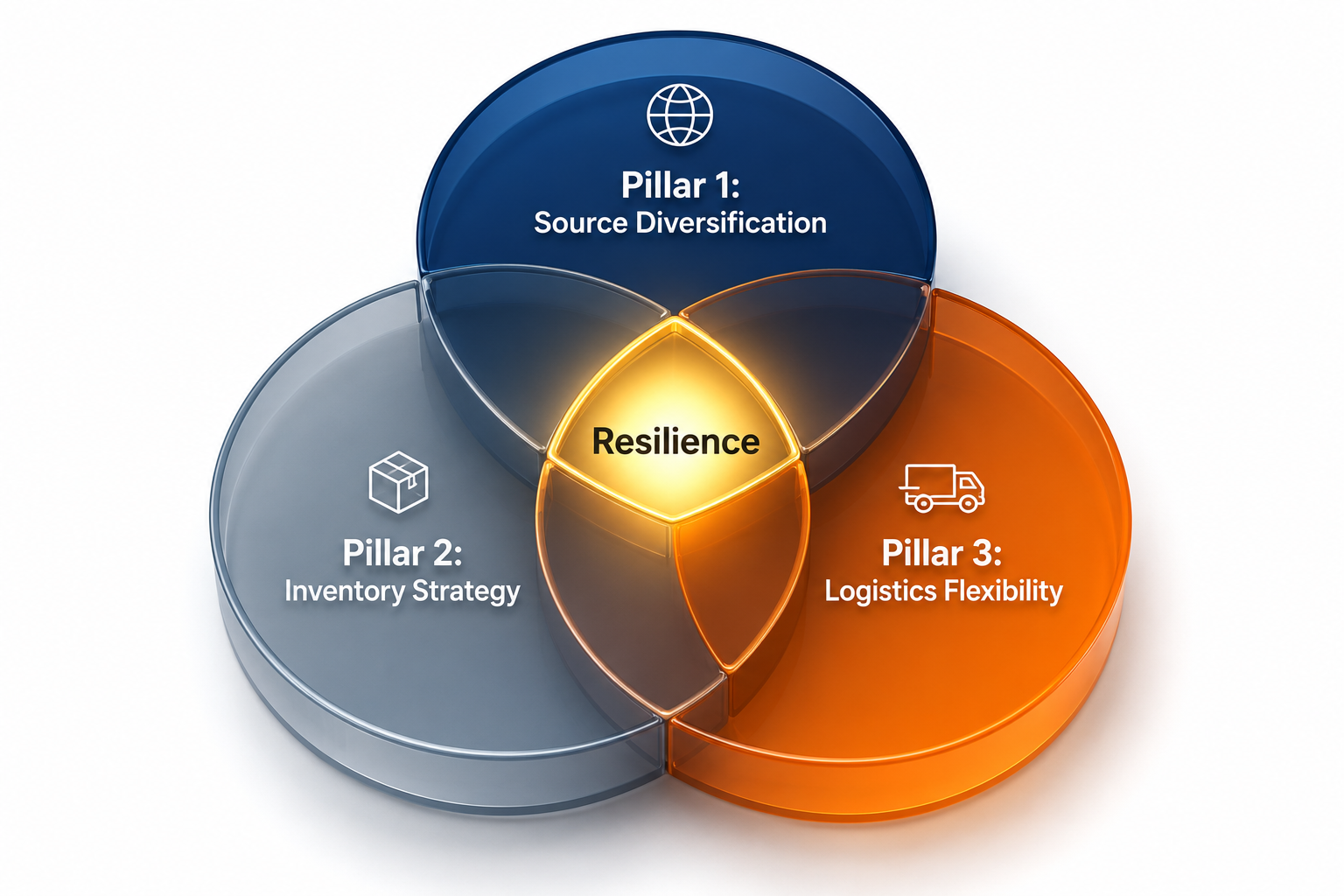
1. Qualify a second source for critical parts
Start with a part used in a low-risk application and agree on the acceptance criteria. Record the pump model, size and frame or group. Use the OEM part number, position code or drawing to confirm the part, its interfaces and its material.
- Supplier capability. Check the scope of the quality system, references for similar applications and past delivery performance.
- Dimensions and materials. Agree on the drawing and acceptance dimensions. Request an inspection report and a material certificate tied to the part or batch.
- Required tests. Set the inspection and testing requirements according to the component, service and plant specification.
- First shipment. Record the inspection results, delivery date and any deviations before releasing orders for critical parts.
2. Stock spares by equipment criticality
Rank each pump by the impact of a failure and the availability of a working standby. Confirm which units can share an approved spare before pooling stock. Set quantities using consumption, replenishment time and the cost of keeping a part in inventory.
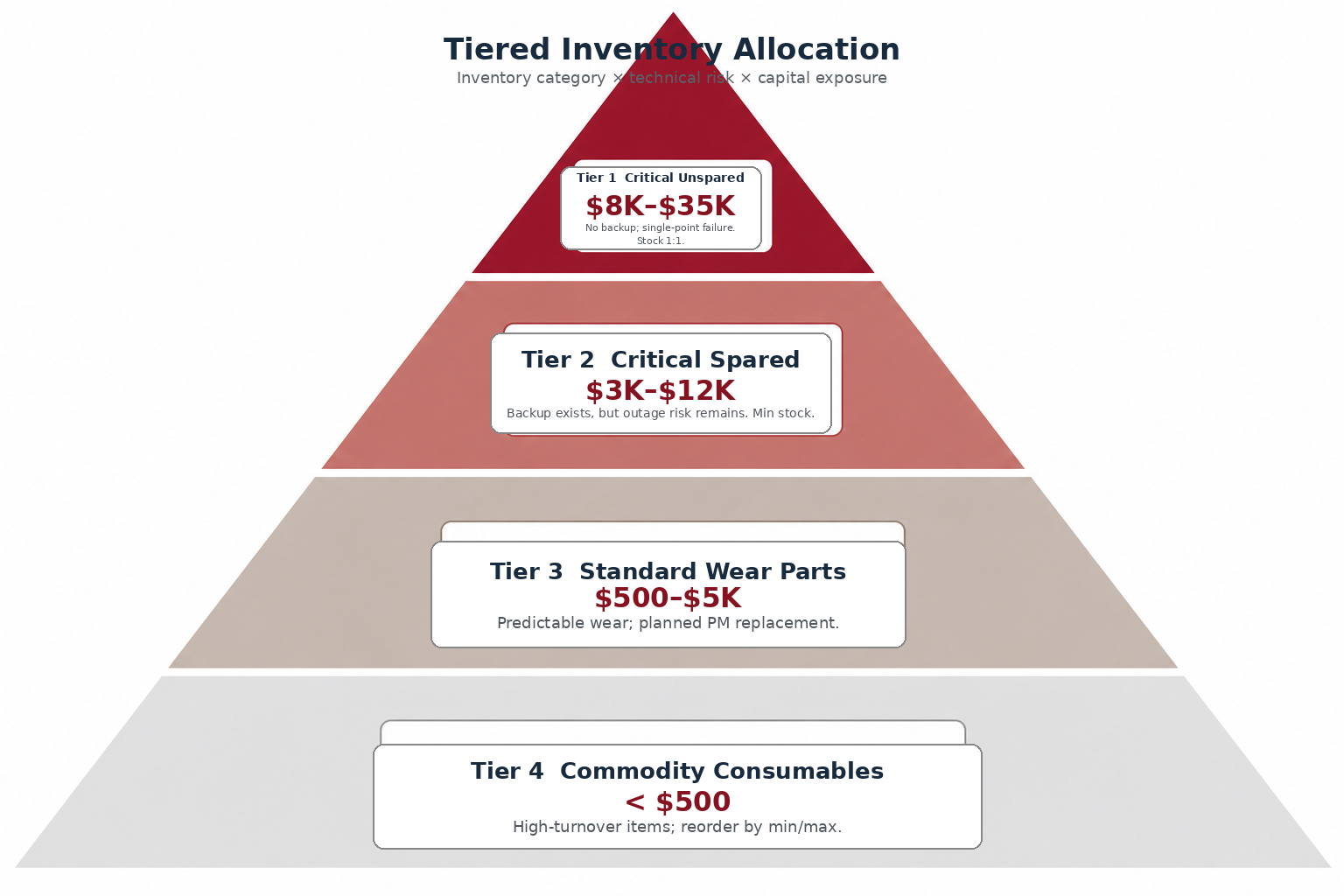
| Tier | What to consider stocking | Illustrative budget |
|---|---|---|
| 1. Critical, no standby | A complete wet end or a qualified assembly that can return the pump to service. | $8,000–$35,000 |
| 2. Critical, with standby | An impeller, seal, gaskets and wear parts for the installed model. Check how long the standby can cover the duty. | $3,000–$12,000 |
| 3. Planned wear parts | Gaskets, bearings and wear components selected from maintenance history and the service schedule. | $500–$5,000 |
| 4. Common consumables | Frequently replaced items. Set minimum and maximum quantities based on use. | Under $500 |
Use these budget bands for planning. Confirm the currency, quantity, material, scope and delivery point on each quote.
3. Compare logistics by the delivery date at your plant
Separate stock availability or production time from inspection, international transport, customs clearance and inland delivery. Ask for the expected ship date and arrival date for the same scope of supply.
- Ocean freight. Use it for planned orders and confirm the port, route and inland delivery schedule.
- Air freight or split shipment. Compare the premium with the cost of delaying the maintenance work. Ship the critical part first when it can close the gap.
- Regional stock. Confirm the part number, quantity, material, warehouse location and dispatch date.
- Customs documentation. Agree on the named delivery point, required documents and clearance responsibilities. Confirm whether DDP is available for the destination.
A phased plan to bring a second supplier on board
Use these milestones to plan qualification. Adjust the dates for sample availability, the time needed to run the pilot and the shutdown schedule.
| Example milestone | Action | Expected result |
|---|---|---|
| Month 1 | Shortlist the supplier | References, quality scope and sample documents reviewed. |
| Month 2 | Validate a low-risk part | Dimensions, material and delivery checked against the order. |
| Month 3 | Start the pilot | Assembly selected and installation, monitoring and acceptance criteria agreed. |
| Month 6 | Review the pilot and place the first stocking order | Pilot performance recorded and the first batch of critical spares approved for the agreed scope. |
| Month 12 | Review the sourcing program | Procurement and engineering confirm which parts each source is approved to supply. |
Assign an owner to each sourcing risk
| Risk | Warning sign | Response |
|---|---|---|
| First part out of specification | A dimension or certificate differs from the agreed requirement. | Inspect the first batch and agree on how deviations will be handled. |
| Shipping delay | The estimated arrival date exceeds the plant deadline. | Check approved stock, split shipments and expedited transport. |
| Incomplete paperwork | Required documents are missing as shipment approaches. | Assign an owner and review the documentation before dispatch. |
| Supplier dependence | Only one source can supply an approved part. | Prioritize a pilot and retain the existing supply route during qualification. |
| Specification or communication error | The quote omits the drawing revision, material or destination. | Confirm the specification in writing and agree on who handles exceptions. |
Self-assessment for pump spare parts supply
Review one pump family at a time. Add the points shown for each row that applies. The maximum score is 11 points.
| Risk factor | Points |
|---|---|
| More than 70% of spare parts come from one OEM. | 1 |
| Critical pumps have no qualified second supplier. | 1 |
| The supplier’s usual lead time is at least 30% longer than your historical baseline. | 1 |
| A part shortage caused an unplanned outage in the last 24 months. | 2 |
| A critical pump has neither a working standby nor a spare in stock. | 2 |
| There is no plan to qualify a second source. | 1 |
| Special-alloy parts take more than 20 weeks from the current supplier. | 2 |
| Parts are purchased just in time with less than two weeks of buffer. | 1 |
- 0–2 points. Update available stock records and review replenishment times.
- 3–5 points. Pick the pumps to prioritize and choose a part to validate with another supplier.
- 6–8 points. Assign owners and deadlines for the pilot and replenishment of critical spares.
- 9–11 points. Review production continuity with maintenance, procurement and engineering.
Give immediate attention to any critical pump that has neither a standby nor a spare, regardless of its total score.
What to put on the procurement list
Record the equipment tag and model, part number or drawing, material, quantity, shutdown date and delivery location. Mark the first part you need and the documents that must accompany it. The team can then compare stock, manufacturing and delivery options for the same scope.