
Direct answer: Process pump standardization can reduce maintenance complexity and spare-parts risk when the plant first separates suitable standardization candidates from duties that require a different hydraulic, material or sealing design. The decision should be based on an installed-base matrix, documented fitment checks and a pilot review, not on a fleet-wide assumption.
This engineering framework is for maintenance leaders, reliability engineers, procurement teams and plant engineers evaluating a mixed process-pump fleet. It does not present a customer case study or a guaranteed savings result.
Why Plants Standardize Process Pumps
A mixed fleet can make routine maintenance harder than the repair itself. Common sources of complexity include too many pump families, model-specific spares, different seal and bearing arrangements, fragmented suppliers and emergency sourcing when a critical component is unavailable.
Standardization is intended to make identification, documentation, training and spare-parts planning more repeatable. It should not override the hydraulic duty, process chemistry, pressure-boundary requirements or the safety basis of a specific position.
What Should Be Standardized — and What Should Not
| Area | Candidate for Standardization | Must Still Be Verified |
|---|---|---|
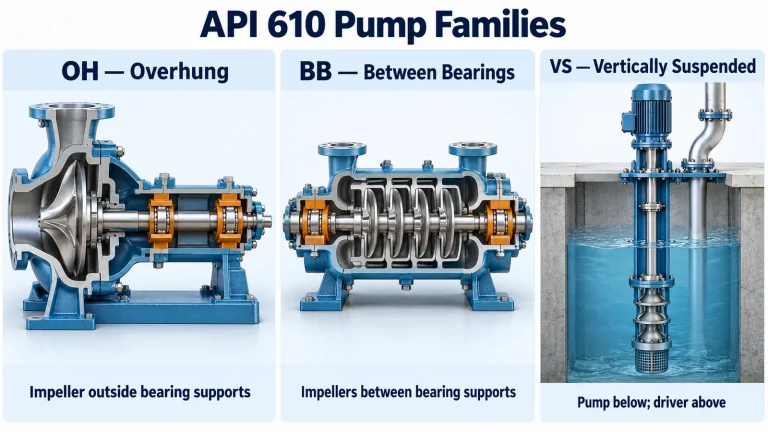
| Pump family | Selected ANSI process-pump platforms for suitable duties | Flow, head, speed, NPSH margin and operating range |
| Power end | Common frame where loads and interfaces allow | Shaft loads, speed, lubrication and driver fit |
| Seals | Common cartridges or arrangements where practical | Fluid properties, pressure, temperature and seal-chamber geometry |
| Spares | Bearings, sleeves, gaskets and other repeat parts where compatible | Exact model, dimensions, material and revision |
| Documentation | Common drawing, MTR and inspection-report format | Project, regulatory and customer requirements |
Step 1: Build the Installed-Base Matrix
Start with one verified row for each pump position. Useful fields include:
- Equipment tag and service description
- Pump family, size, frame and installed configuration
- Flow, head, speed, fluid temperature and specific gravity
- Wetted material, seal arrangement and auxiliary connections
- Criticality, annual parts spend and typical lead time
- Downtime exposure, maintenance history and known field modifications
Use nameplate data, approved drawings, maintenance records and field measurements where available. If the installed pump has been repaired or modified, record the actual configuration instead of relying only on the original model designation.
Step 2: Identify Standardization Candidates
Screen positions for similar duty, compatible metallurgy, a common dimensional platform, repeat spare consumption and acceptable operational risk. Exclude positions where standardization would compromise corrosion resistance, containment, NPSH margin, minimum-flow requirements, solids handling or other process constraints.
A candidate is not approved because it has the same nominal nozzle size. The evaluation should document the reason for inclusion, the evidence reviewed and the conditions that would make the candidate unsuitable.
Step 3: Verify Retrofit Compatibility
Separate installation fit from hydraulic and material suitability. Review nozzle coordinates, shaft centerline, pump feet, coupling position, baseplate mounting and maintenance clearance. For a component or wet-end change, also review the retained frame, shaft, sleeve, seal chamber, impeller interface and casing fit.
Use the ANSI pump dimensions checklist, the Goulds 3196 compatibility guide or the Durco Mark III fitment guide for the relevant equipment. A standard designation is a starting point; final approval remains configuration-specific.
Step 4: Build the Spare-Parts Strategy
Group parts by criticality and repeatability. Common parts may be stocked when fitment and material identity are documented, while uncommon alloys, special seals and long-lead pressure-boundary components may require a separate risk plan.
- Define critical spares by consequence of failure, not only purchase price.
- Keep part numbers, drawing revisions, material grades and heat traceability together.
- Document which parts can be shared across the selected pump population and which cannot.
- Qualify more than one source only when the technical and documentation requirements remain controlled.
Step 5: Calculate Maintenance Cost Reduction
Use a transparent cost model and insert only verified plant data:
Annual Maintenance Cost = Planned Parts + Emergency Parts + Labor + Expedite Freight + Verified Downtime Cost
Define the observation period, pump population, currency and cost categories before comparing a baseline with a post-change period. Keep capital retrofit cost separate from recurring maintenance cost unless the business case explicitly allocates it over a defined period. Do not publish a percentage or customer result without records that support the calculation.
Pilot Before Fleet-Wide Rollout
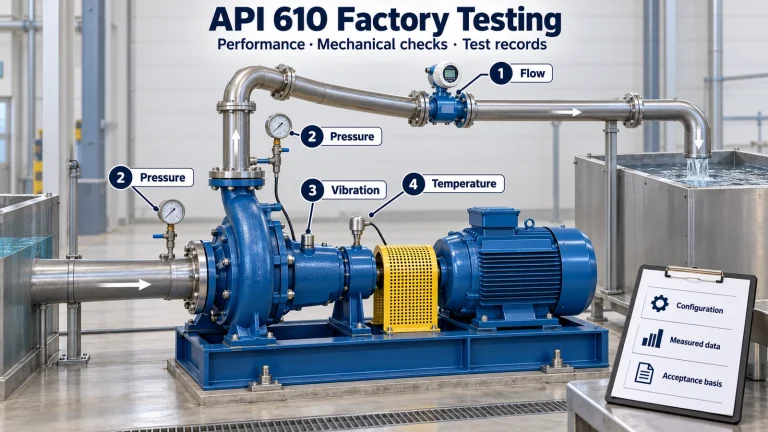
Test the standardization decision on one or a small number of suitable positions before changing the broader fleet. Record performance at the required duty, seal leakage observations, vibration, bearing temperature, maintenance feedback, spare-part repeatability and any installation work needed.
The pilot should have an acceptance record and a stop condition. If the pump does not meet the duty, material or reliability requirements, revise the candidate list rather than forcing the position into the standard.
Standardization Decision Checklist
- Installed model, size, frame and field configuration recorded
- Duty point, speed, NPSH and fluid conditions confirmed
- Wetted materials and seal arrangement reviewed
- External and internal interfaces checked against approved drawings
- Required inspection and traceability documents defined
- Critical spare parts and supplier risks mapped
- Maintenance cost categories and observation period defined
- Pilot acceptance criteria and stop conditions agreed
Request a Pump-Fleet Review
Send a pump list, nameplate photos, duty data, drawings and spare-parts history for a configuration-specific review. ANSI Pumps Pro can help identify which positions are suitable for an ANSI process-pump standardization program and which require separate engineering treatment.
Request a pump-fleet engineering review or review the Goulds 3196 replacement platform for a specific installed position.
Frequently Asked Questions
Does process pump standardization mean using one pump for every service?
No. Standardization should be limited to positions with compatible hydraulic duty, materials, interfaces and operating risk. Different services may require different pump families or materials.
How should a plant measure maintenance cost reduction?
Define the same pump population, observation periods and cost categories before and after the change. Separate recurring maintenance cost from capital retrofit cost and publish only figures supported by plant records.
What should be checked before a fleet-wide rollout?
Verify the pilot pump’s duty, vibration, temperature, seal performance, installation fit, documentation quality and spare-part repeatability. Use the results to refine the standardization boundary before expanding it.